


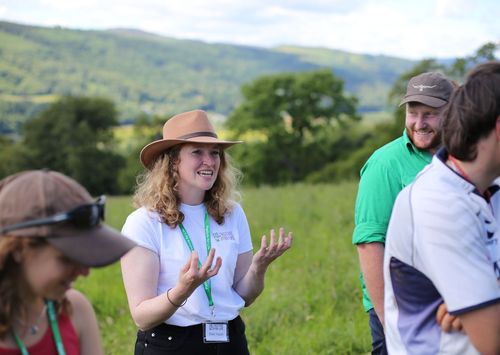
Cat Frampton’s Resilient Dartmoor Landscape
How Pasture for Life farmer Cat Frampton is farming with nature in Devon.
BIODIVERSITY CASE STUDY
Cat Frampton
Tell us about your farm and its location, size, altitude, climate, soils, enterprises, organic, PfL and other status?
Our farm is on the eastern edge of Dartmoor, in a wooded valley, with the moor and tors rising above it. In places it’s very steep, also pretty well strewn with granite. It’s a small farm, 100 acres, and has a bit of moorland grazing on which we keep our Hebridean sheep.
It’s around 300m above sea level and mostly south-facing. A south westerly gale will have been slowed a touch by the hills around us but a cold easterly wind will blow straight up the valley.
It’s often damp and sometimes very damp, and I worry that if managed badly, our soil will just run off the hill leaving us with just the granite bones of the place.
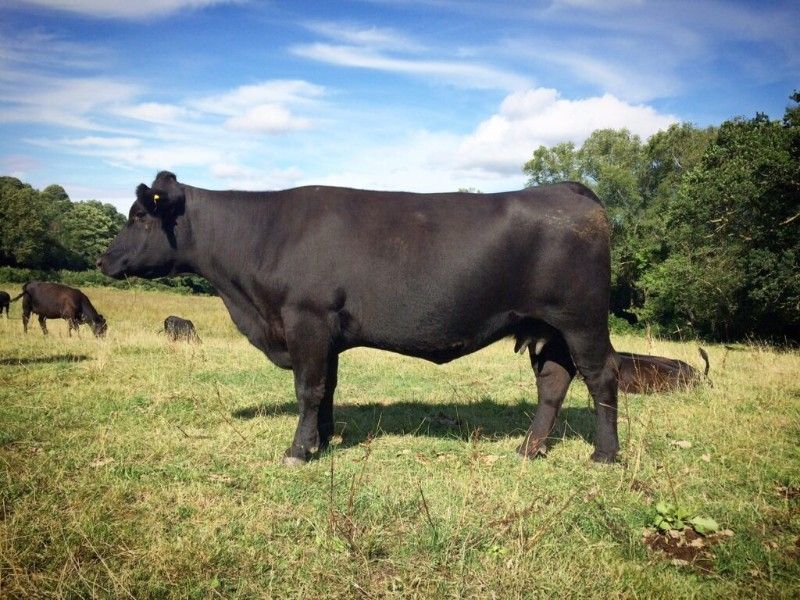
We have a small home-breed suckler herd of cattle and have changed from an Angus bull to a Hereford one recently to breed a bit of calm back in, along with the ability to thrive on our rough pasture.
We have a flock of 40 Hebridean ewes who graze the open moor above the farm for most of their lives. We’re just starting organic conversion and taken the first steps to becoming Pasture for Life certified, although we have been farming according to their principles since the winter of 2016. We are also part of Farm Wilder.
My parents farmed with fertilisers, weedkillers and wormers; as did so many, but in a smaller way than most due to the difficulties of getting machinery on the land and there is only so much fertilisers you can spread with a quad bike on very steep land. We have found the land that had the least inputs and some none, have a far greater resilience to the variable weather we get. For example, last year’s spring drought meant we had fields of yarrow and knapweed growing strongly, and this year we have more grasses instead.
Give us a general description of the biodiversity on your farm – essentially above ground but reference to below ground if relevant – both flora and fauna
"We have a lot! It has taken me a long time to realise that not being able to get a tractor onto the majority of our fields and being plagued with enormous lumps of granite, steep slopes or very wet boggy bits of pasture is a blessing rather than a curse. It has saved the land from the ‘tidy ways’ of modern farming."
We have areas of scrub, woodland both grazed and ungrazed, and ‘rhos’ patches which are not meadows as such, more areas in fields. And as well as these, we have some very species-rich meadows.
- Over 60 species of birds that live on or visit the farm, including breeding cuckoos
- Waxcap fungi across the farm and more each year as the land fully recovers
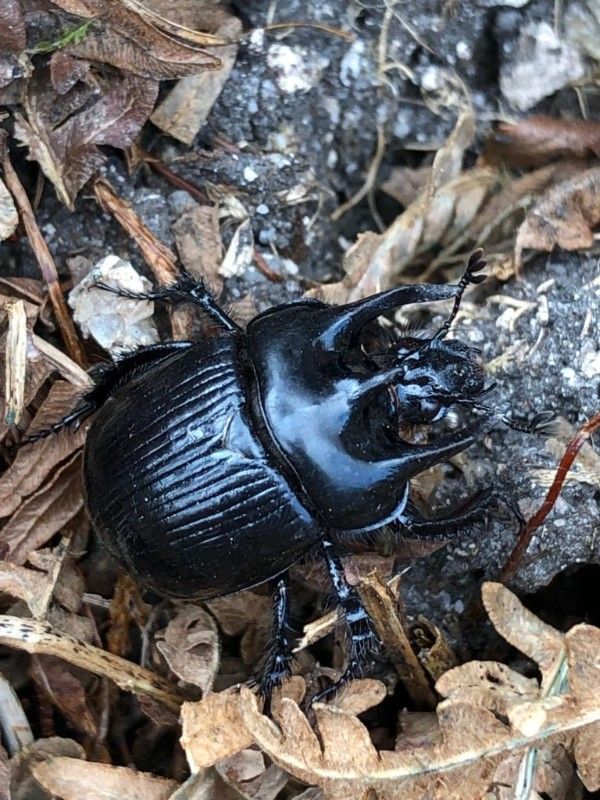
- Dung beetles everywhere, including Geotrupes mutator, stiniger, stercorosus and Minotaur beetles
- Dead standing trees in our woods and thickets of deep scrub
A thriving and naturally expanding ‘temperate Celtic rainforest’ wood
Dormice and voles in abundance but sadly no water voles due to mink - Dragonflies and caddisflies in our stream and leat
- Starting to see orchids returning to the land
What do you do to encourage this biodiversity and what are the lessons you've learned and would like to share?
"We started farming with and not against nature, when we made a simple decision not to cut the marsh thistles in our boggy bits of land."
We were trying and failing to farm conventionally and just ran out of time to do it all, so stopped killing some thistles, and suddenly we had more goldfinches. A small charm of them flew up from one field and it was such a joyous sight that it set us thinking.
"We started looking at the things we did and how we could change them."
Less worming meant more beetles which in turn meant more birds and less need to harrow the fields after the cows had been in them because there were no more sour patches of dead dung but instead the pats all opened up and spread about for us by the birds.
Cutting back on fertilisers over a number of years was easy - it cost so much and seemed to do so little, so that was stopped.
We stopped using weedkillers after spraying some weeds in the old orchard and finding the honey bees had died not long after. Yes correlation is not causation, but still, it made us think!
We stopped fretting over the docks and instead saw how the newly lambed ewes sought them out for their minerals. And how as the soil improved, they retreated to the most flash flooded bit of land instead of all the gateways.
"And then we noticed just how alive the farm was. How the number of birds and plant species grew, how we noticed more fungi and how well the animals looked."
"And then we noticed just how alive the farm was. How the number of birds and plant species grew, how we noticed more fungi and how well the animals looked."
[REMOVE LINK]How it is connected across the farm and beyond?
Our farm is lucky. It’s in a scruffy farm area, where cuckoos still breed. We have a massive woodland corridor down the valley that extends for miles. We also have many other farmers and landowners in the area that are concerned about the same things. We have a fighting chance on Dartmoor to turn the tide.
What are the benefits to the farm?
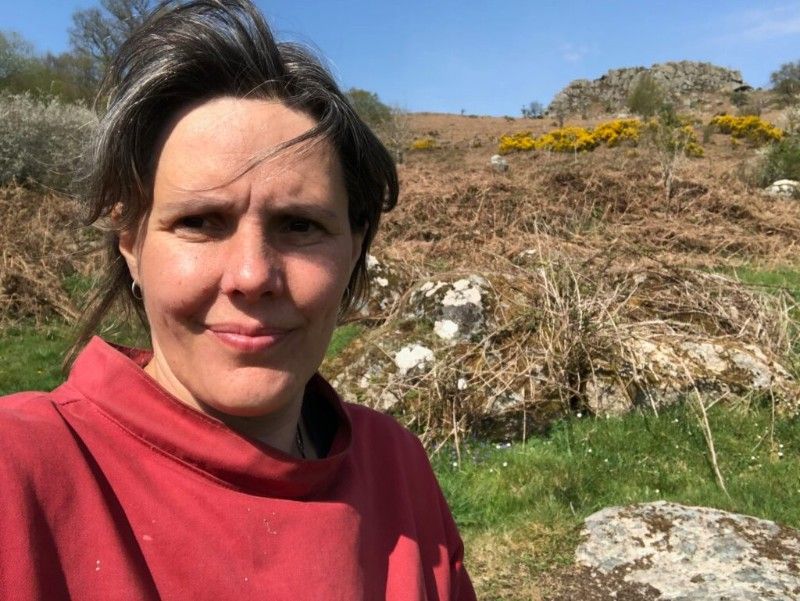
"The main benefits to the farm, other than the happiness of the farmer, lies in cost."
Using no fertilisers and still being able to grow feed for our stock, using less of the expensive wormers and no weedkillers means our overheads are lower. We still buy in hay, but no longer feed bag after bag of cattle concentrate, so that’s a lot cheaper too.
"We found that during the dry spell of 2017, when a lot of our neighbours were forced to feed hay in the summer, we still had grass although leaving long grass behind the cows was a change of mindset we found tricky at first. As a result, we feel we’re a tiny bit more resilient and can cut our overheads at the same time, while still growing very tasty meat."
"The main benefits to the farm, other than the happiness of the farmer, lies in cost."
[REMOVE LINK]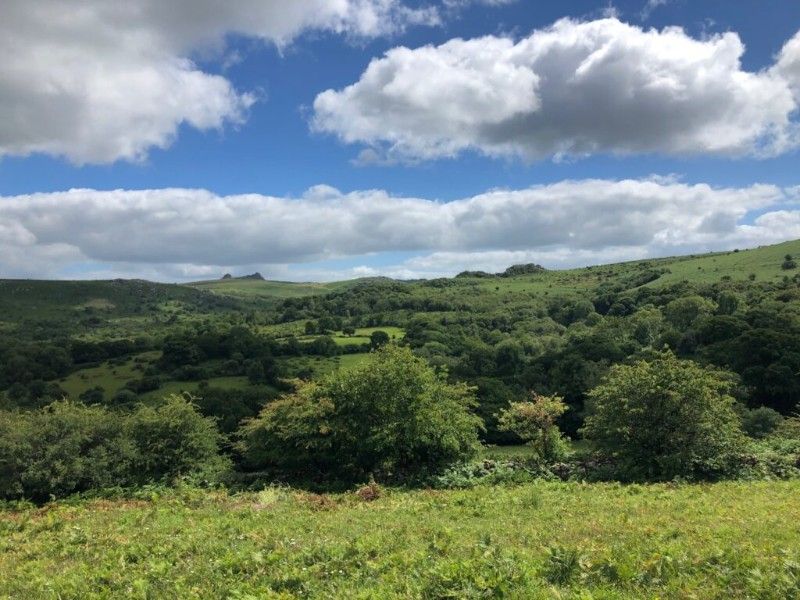
How do you monitor it?
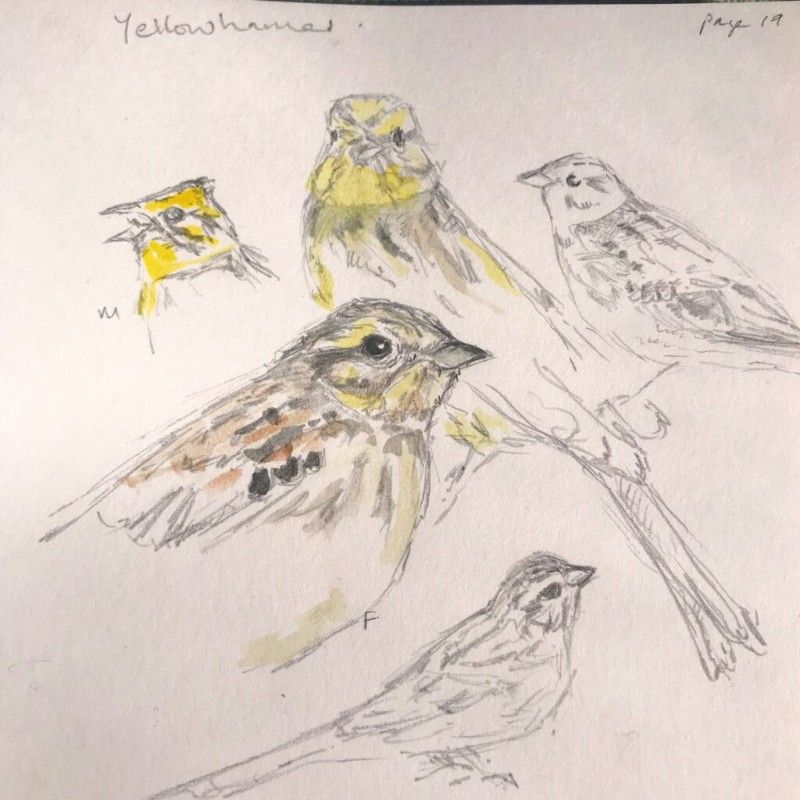
I have a few monitoring methods. Firstly, there is my art. As silly as that sounds, a sketchbook full of drawings of all the birds we see here has helped me understand the bird population on the farm.
In a more scientific manner, I have mapped the habitats of the farm and I keep records of the plant species of each field.
I use a simple app to identify both the plants and fungi I see - ‘Picture This’ for plants and ‘Picture Mushrooms’ for the fungi. I have a couple of new friends on social media who help me identify insects, moths and butterflies. ‘Dung Beetles for Farmers’ have a great resource for identifying dung beetles.
What lessons have you learnt and would like to share with others?
"Just trust in the land’s ability to fix itself. Listen to as many experts and indigenous farmers and growers as possible, especially from areas of the world that already deal with extremes of weather!"
Listen less to those with tidy farms of a uniform green. Give it a chance and it will spring back!